
Mixing Old and New: The Interior Design Trend Shaping Historic Homes

The most interesting historic interiors are no longer choosing between old and new interior design. Instead, designers are finding ways to let period architecture, contemporary spaces and modern living work together.
This approach can be seen across several homes featured by The Interior Design Show. Each takes a different route, but all show how original character can remain relevant without making a home feel stuck in the past.

Letting the Architecture Lead
In Sarah Southwell’s 16th-century Somerset manor, original timber, lime plaster, uneven floors and an inglenook fireplace remain central to the home. Instead of restoring everything to look perfect, the design works with the building’s natural character, introducing contemporary furniture, colour and practical spaces for family life.
The outcome shows that preserving historic details does not mean creating a period-style interior. The architecture can provide the foundation while the decoration reflects how people live today.


Modern Additions, Historic Character
Emily Pun’s restored Victorian London terrace shows another approach to old and new. The original front of the house has been carefully restored, while the rear features a contemporary extension with timber details, skylights and large areas of glazing.

The new kitchen and dining space feels modern, but materials such as reclaimed quarry tiles and warm oak create a connection with the older parts of the house. The extension does not copy the Victorian architecture. Instead, it complements it.

Making Room for Patina
At Rachel Ashwell’s English countryside home, age is part of the appeal. Weathered floors, traditional details, vintage furniture and collected pieces create a relaxed interior where imperfections are embraced.
The style gives the home a historic charm while allowing it to feel comfortable and lived in. Newer elements sit naturally alongside pieces that have clearly been there for years.

Colour and Salvage in a Victorian Townhouse
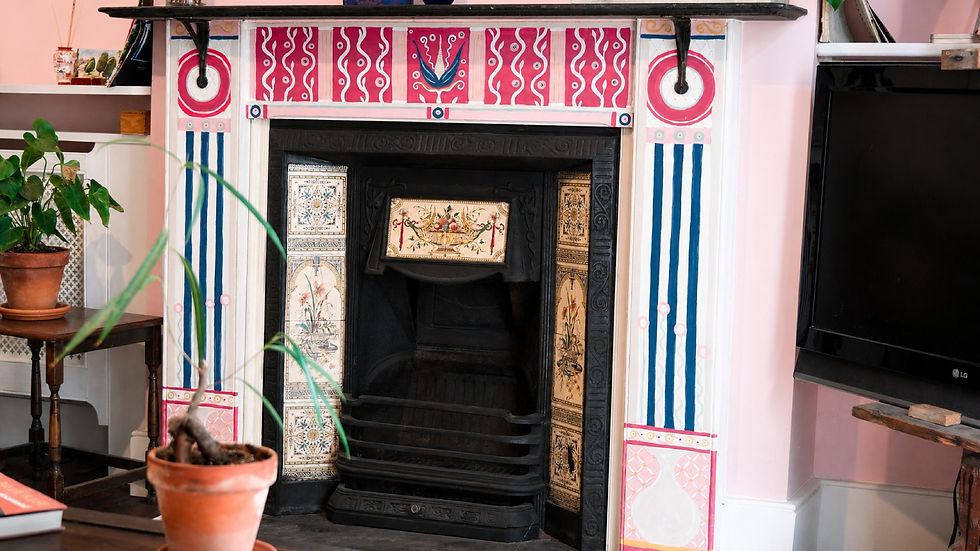
Emelia Erland’s Victorian townhouse in Bristol offers another take on combining old and new. Original cornicing, plaster corbels and fireplaces sit alongside bold colour, handmade furniture and salvaged materials.

In the kitchen, Emelia and her mum used reclaimed pine cupboard doors sourced from eBay and Facebook Marketplace, while salvaged timber from the loft was reused to create furniture and shelving.

Family artwork also plays an important role, with paintings by Emelia’s father helping shape the colour palette throughout the home. She embraces the character of second-hand, handmade and imperfect pieces. It is a colourful example of how Victorian architecture can provide a backdrop for a distinctly modern and personal interior.

A More Personal Approach to Old and New Interior Design
Together, these homes show a wider shift in how historic properties are being designed. Instead of removing signs of age or recreating the past, designers are working with what is already there.
Original materials, antique furniture and period details can sit comfortably beside modern kitchens, contemporary furniture and spaces designed for today's lifestyles.
The result is an interior that feels layered and personal. Old and new do not have to compete. When designed thoughtfully, they can make each other feel more relevant.
Discover more inspiring homes and designer features at The Interior Design Show:

